



So you’re about to embark on your driving journey, and the age-old question pops up: manual or automatic? Fear not, there’s no single correct answer, just a matter of weighing up the pros and cons of each. While the main difference kicks in after you’ve passed your test, ultimately, it boils down to personal preference and patience.
Automatic cars offer a simpler driving experience, but will that suit you? Let’s delve into both options to help you make an informed decision before hitting the road.
Remember if you pass in a Manual vehicle you can drive both, however if you struggle with gears and a clutch then a restricted Automatic driving Licence will be easier and faster to obtain.
Jon Kenny – DVSA approved driving instructor
Right gear, right time? Choosing between a manual and automatic car can feel like a big call, especially for new drivers on the road. Here’s a breakdown of the key differences to help you navigate the options:
Manual Transmission:
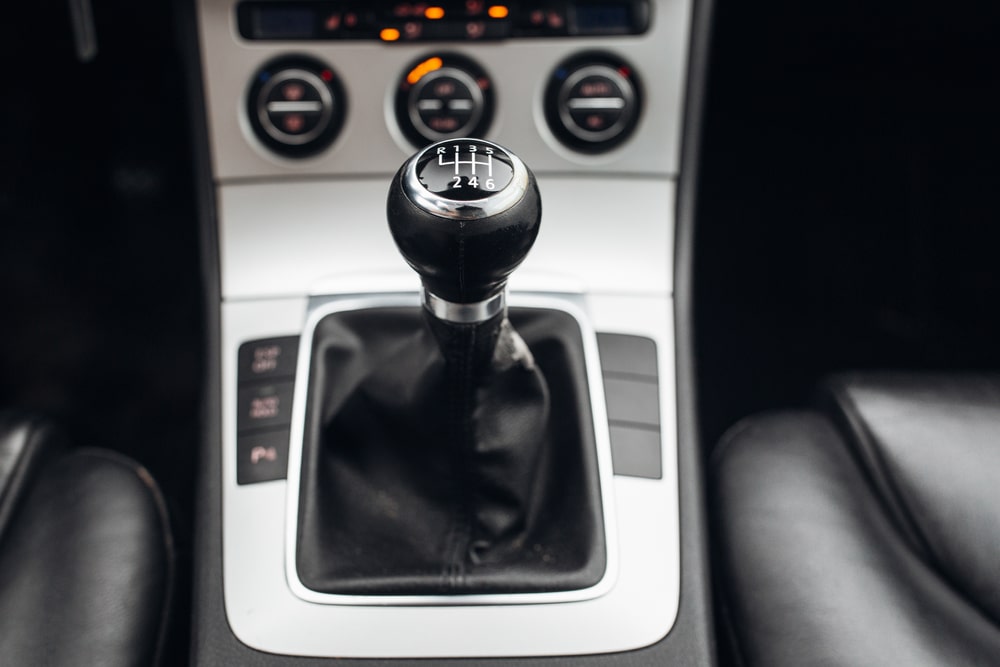
- Gear Changes: Requires clutch control and manually selecting gears (typically six) based on speed. Messing up can lead to stalling the engine. Think of it like a multi-geared bicycle – you need to pick the right cog for the hills and straights.
- Complexity: The six-speed gearbox can be daunting for beginners. Mastering the clutch bite point and smooth gear changes takes practice and coordination.
Automatic Transmission:
- Simplicity: Automatic cars do exactly what they say on the tin. Just use the two pedals (brake and accelerator) to control speed. No clutch or gear changes to worry about – similar to a go-kart.
- Gears: The automatic gearbox typically offers Park (P), Reverse (R), Neutral (N), and Drive (D). You won’t stall as long as you’ve got it in Drive while moving.
- Smoothness: Automatic cars generally offer a smoother driving experience because the car changes gears for you. They’re also becoming increasingly popular on British roads.
Advantages & disadvantages of a manual car
Advantages
There are many advantages when it comes to learning in a manual car. These include:
- Lower running costs – To start with, the overall costs of a manual car are cheaper. This includes repairs, insurance and the physical vehicle itself. This is especially handy for younger drivers who purchase their first car; more often than not, junior drivers are younger and don’t always have the cash to splash.
- More affordable lessons – Secondly, the lessons in a manual car are cheaper, which is excellent for any beginner driver, no matter the age.
- Better control and responsiveness – Also, a manual car is easier to control. Being able to change the gears yourself gives you a responsive vehicle that is typically a more pleasurable experience.
- Better for adverse weather – You’ll also find that controlling the car in treacherous weather conditions, such as harsh rain, snow and ice, is a lot easier. This is because you can put the car into a lower gear to get more grip on the wheels, which is otherwise impossible in automatic vehicles.
- Freedom to drive any car – The most important advantage of a manual car is its freedom. If you pass with a manual licence, you can still drive an automatic car if you want to. The choices of your first car have just gotten a whole lot larger!
Disadvantages
- Harder to learn – Manual driving lessons are more demanding than automatic lessons. One reason for this is how hard it can be to learn the clutch pedal. It takes time to learn how your car operates, which in turn makes driving tests harder to pass and the number of lessons you need higher.
- Gear changing requires more focus – Changing gears can quickly become tiring and inconvenient if you are used to routes that require different speed limits.

Advantages & disadvantages of an automatic car
Advantages
There are many advantages when it comes to learning in an automatic car. These include:
- Easier to learn to drive – It’s so much easier to drive automatic cars. Because of this, you’ll need fewer lessons, spend less money and pass your driving test faster. Overall, an automatic car will give you a smoother driving experience, which will make you enjoy driving a lot more.
- Two hands on the wheel – When driving in general, it’s good to have two hands on the wheel, which an automatic can guarantee, seeing as you don’t have to touch the gearbox.
- Can help you pass faster – If you’re in a rush to pass, you’ll probably do better with automatic lessons.
Disadvantages
- You’ll only be allowed to drive automatic – The main disadvantage is that if you take automatic driving lessons and pass with an automatic licence, you will never be able to drive a manual car until you get a manual licence.
- Automatic cars are more expensive – Also, automatic vehicles cost more to buy, which in turn means the lessons, repairs and insurance are more expensive.
- Less control – Lastly, it’s hard to control an automatic car in harsh weather conditions like snow and rain because you can’t change gears to maintain speed.
Passing your driving test in a manual or automatic car will never be a simple task. However, all of these factors are made easier by driving an automatic. You won’t have to worry about gear changes or clutch control. The clutch pedal is the biggest challenge for any new learner on their first driving lesson.
Having five or six gears to control, learning how to emerge on corners and remaining aware of obstructions can be immense pressure for a first driving lesson, especially for young drivers. That’s why it’s so common for people to learn in automatic cars and save the stress for their tests.
Formula Jon Driving School offers a comprehensive range of driving lessons tailored to your needs. Whether you prefer the simplicity of automatic driving or the classic feel of manual gear changes, we’ve got you covered!
Comments are closed